Fire wardens do not get lots of silent days. When the alarm system goes off, the chief fire warden is the person everyone watches for hints. The role calls for calm command, sharp judgment, and a functioning knowledge of both the building and the people inside it. The most effective principals I have actually collaborated with reward emergencies like tasks with unforgiving target dates. They prepare, run frequent drills, and make sure no person is guessing when seconds count.
This overview lays out what reliable principal fire wardens really do daily, how to plan for the moments that matter, and a functional list you can adjust to your site. It draws on the methods showed in units such as PUAFER005 Operate as part of an emergency control organisation and PUAFER006 Lead an emergency control organisation, along with the realities of mixed-tenant structures, change puafer005 job, and incomplete information.
The function at a glance
The chief fire warden leads the Emergency Control Organisation, or ECO. In a simple office, the ECO might be a handful of wardens covering floorings and high-traffic areas. In a medical facility, arena, or industrial site, it can be loads with specialist features and redundancies. Either way, the chief's core responsibilities are consistent: prepare, coordinate, make a decision, and account for people.
A chief warden does not fight fires. They set the method for evacuation or shelter, direct interactions, coordinate with very first -responders, and make certain every area gets removed and checked. That clarity protects against confusion when a person notifications smoke near a server space, when a service provider is functioning over a ceiling, or when an emptying coincides with a power failure.
If you are brand-new to the function, take the PUAFER006 course to discover how to lead an emergency control organisation and technique decision making under pressure. Couple it with the PUAFFER005 training course, which concentrates on how wardens run as component of the ECO. Many organisations integrate these into a single chief warden course, with a refresher course every 1 to 2 years.
Colours, markings, and why they matter
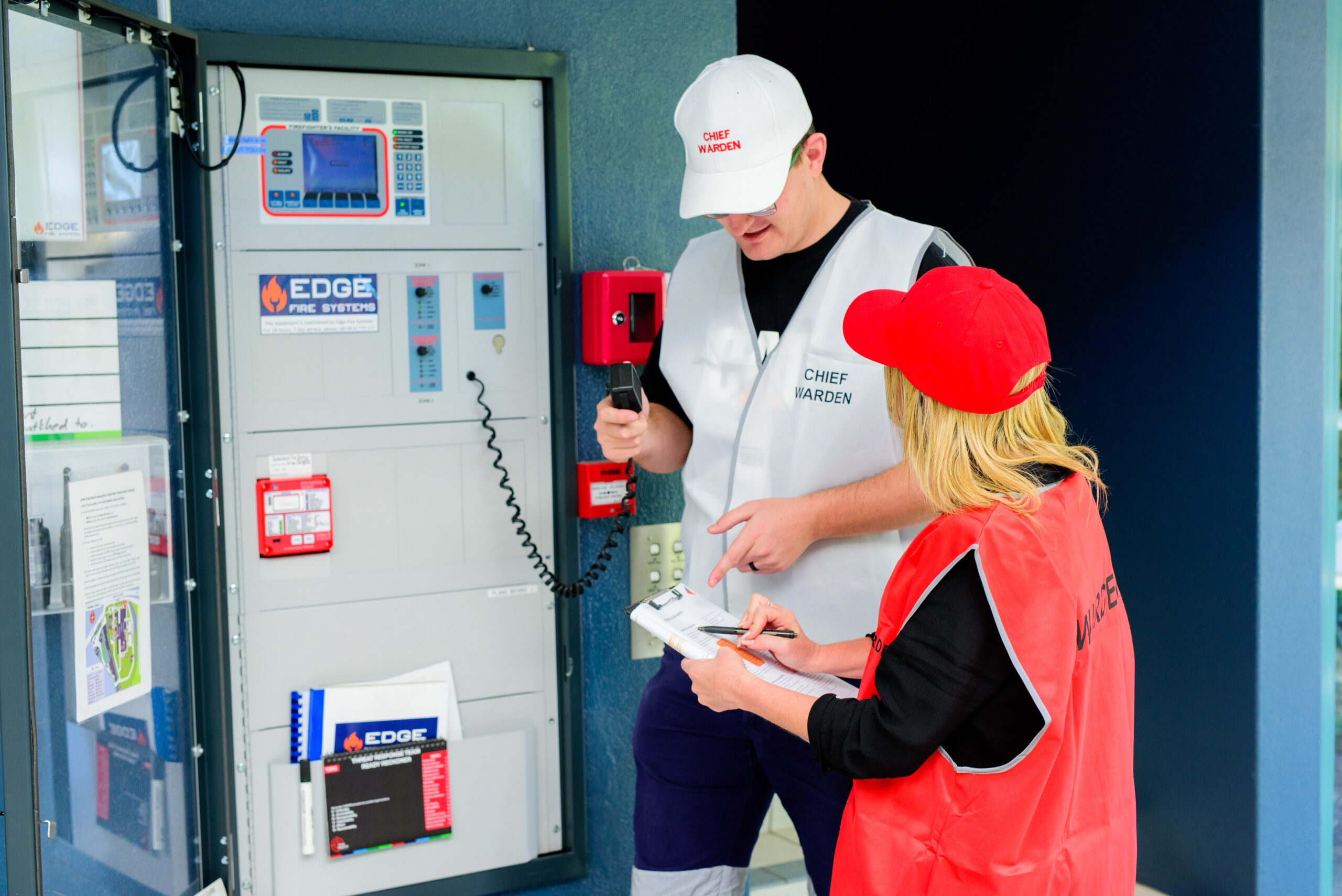
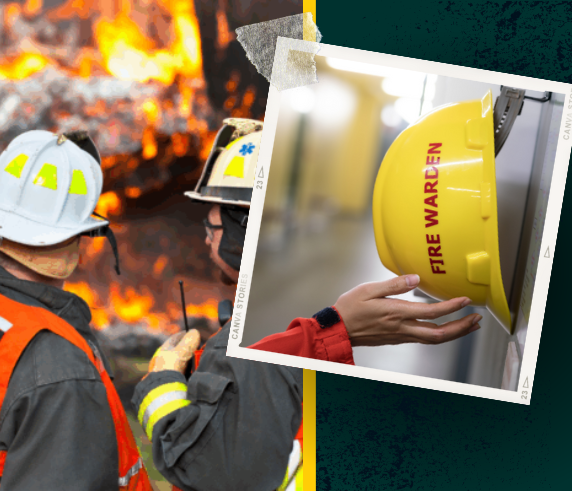
Uniform and presence sound trivial, up until you are directing 700 people down smoke-smudged stairs with a periodic alarm system. Most Australian offices use the typical warden colour conventions derived from AS 3745. Chief wardens use white hats or safety helmets with white vests or tabs, area wardens red, interactions or first aid green, and search or floor wardens yellow. If your website asks what colour helmet a chief warden uses, the solution is white, or a white chief warden hat with clear markings so responders locate you fast.
Make the markings vibrant and regular. If your labor force is multilingual or spans specialists and temporary personnel, this simple basic puncture. I have actually seen discharges fail since individuals adhered to a colleague in a well-known jacket instead of a warden vest. Tiny fixes like proper chief fire warden hat colour and high-contrast signage decrease that risk.

Competency and training that really sticks
Training needs to be practical, relevant to your website, and constant sufficient to stay sharp. Class theory without walk-throughs often tends to fade. Here is how to consider it:
- Fire warden training for basic wardens must cover alarm system states, local controls, interactions, search patterns, and assisting mobility-impaired owners. That lines up with PUAFER005 operate as part of an emergency situation control organisation. Chief warden training belongs at the PUAFER006 level. The priority is management under unpredictability: reviewing alarm system panels that show numerous zones, making a decision in between phased and full discharge, coordinating with fire solutions, and dealing with side situations like lifts inactive, after-hours occupancy, or unsafe storage.
Aim for a minimum of one full discharge workout per year per building, plus targeted drills for special areas such as labs, archives, or plant areas. I prefer a mix of revealed and shock circumstances, with a minimum of one drill that makes you manage an obstructed departure or a person unaccounted for. That tests not simply expertise, yet judgment and interaction discipline.
The chief warden's practical checklist
Every website requires its own spin on this. A logistics storehouse with racking to the rafters has an extremely various danger profile from a child care centre on the very beginning of a mixed-use structure. Still, the spine of the checklist hardly ever changes.
Initial activities when an alarm turns on or an incident is reported:
- Move quickly to the control point, don your chief warden hat and vest, and develop command. Confirm your interactions network is up, whether that is radios, warden phones, or a secure conversation utilized just for emergencies. Read the fire indicator panel and secondary panels. Identify the area, verify detector type if offered, and look for multiple activations. Ask the communications warden to log times and actions from the initial second. Dispatch the local floor or area warden to the reported area. They do a fast analysis of noticeable fire, smoke, warm, scent of burning, or an incorrect trigger. Insist on a two-minute turnaround for their first report.
Decision point with early intel:
- If there shows up smoke, warmth, or solid burning smell, order discharge for the impacted zone or the entire building relying on your strategy. When in doubt, err on the side of getting people moving. If the panel suggests a solitary detector activation in a low-risk location and the flooring warden reports no indicators of fire, prepare to explore with care while prepping to evacuate if a 2nd detector trips. For recognized risky locations like battery areas, server areas with suppression systems, chemical stores, or kitchen areas, deal with single activations extra conservatively.
Communications and control:
- Instruct the communications warden to explain, succinct announcements. Avoid jargon, use simple instructions, and repeat key guidelines. For large sites, press messages to screens or SMS if integrated. Direct flooring wardens to sweep their zones, beginning with bathrooms, silent spaces, and tiny meeting spaces. They should check high-noise locations like assembly line where alarms may not be heard. Coordinate with safety or building management to unlock fire doors, disable gain access to controls if configured to stop working risk-free, and obstruct entries to the structure to prevent individuals strolling in mid-evacuation.
Evacuation flow and assembly:
- Confirm stairwells and main departures are safe. If one is endangered, reroute traffic prior to congestion types. Put a warden at that junction with a loud voice and a clear vest. For mobility-impaired passengers, use your Personal Emergency Emptying Strategies. Staircase descent gadgets ought to be organized and practiced, not still wrapped in plastic. Designate two qualified wardens per device. At the assembly area, guarantee roll phone calls are conducted by lessee or group leads, feeding results to the chief warden. Deal with any individual unaccounted for as a priority details gap. Do not send inexperienced individuals back inside to search.
Handover to emergency situation solutions:
- Meet firemans at the entry. Provide a short: what caused the alarm system, where, your activities thus far, any threats, and that is unaccounted for. Hand over site plans, hydrant and suppression system information, and keys. Shift from command to liaison. Keep the ECO focused on group control, liability, and preventing re-entry up until fire solutions clear the site.
Stand down and after-action:
- When the occurrence finishes, record times, choices, and end results. If the alarm system was incorrect, still tape the event. Patterns of false alarms hide maintenance issues. Debrief within 24 to two days. Note what slowed you down and what worked. Update strategies, signage, and warden allotments based on the lessons.
The choices that specify the role
Training gives you frameworks. Reality tosses curveballs. A couple of patterns recur.
False alarms that look genuine. Cooking smoke on level 12 can set off 2 nearby detectors and spoof a spreading fire. Instead of presuming, establish a timer and accumulate two independent monitorings: detector pattern and floor report. If they differ, default to evacuation. The price of relocating individuals when is less than the cost of hold-up if you are wrong.
Competing threats. In a plant that shops combustible solvents, complete discharge might move people past the hazard location. A split emptying can be much safer. That requires pre-planned alternatives, with wardens drilled on the path modifications. PUAFER006 stresses this scenario preparation forever reason.
Partial details. Power failures can blind you to some areas. Radios might be loud. If you are missing data, simplify the plan, slim the jobs, and repeat guidelines. Your tone tells people how much to panic. Stable voices and short sentences maintain individuals from improvising.
After-hours tenancy. A technology group on level 8, two cleaners, and a security personnel over night is a different discharge account. Maintain an after-hours list and a lean ECO lineup. Make sure the emergency warden course includes situations with marginal staffing and locked internal doors.
People who resist. Every chief fire warden has discovered a person who thinks the alarm does not relate to them. Floor wardens need authority, clear scripts, and assistance. If a person rejects, escalate to security and flag it with management after the event. You can not wager the timeline for one persistent individual.
Building a reliable ECO
Recruit wardens that understand the structure and have the temperament to be relied on. It is much easier to show procedures than to transform exactly how someone behaves under pressure. Spread coverage across shifts, divisions, and floorings. For every area, aim for at the very least two wardens to cover leave and absence.
Use the fire warden course as a baseline, then strengthen with short, useful refreshers. Five-minute huddles before drills, radio checks, and easy duty swaps help skills stick. Emergency warden training does not require to be heavy to be efficient, it needs to be normal and specific to your environment.
If your site entails multiple tenants, assign a chief emergency warden for the entire building and deputy wardens for each and every occupancy. Establish an interactions procedure that makes it through a phone blackout. A straightforward UHF radio network with spare batteries defeats an innovative system that fails when the power goes.
Documentation that gains its keep
Plans nobody checks out do not save lives. Keep the emergency situation plan lean and useful. At a minimum, consist of layout with present warden names and call networks, evacuation representations, a list of unique risks, the place of fire panels, hydrants, and suppression controls, plus setting up locations with options for climate or construction.
Update the strategy when anything material changes. New tenant fit-outs, short-lived hoardings, locked faster ways, and experimental devices can all impact retreat paths. Deal with modification administration as component of chief fire warden responsibilities, not an admin afterthought.
Record each drill. Track start and all-clear times, stairwell flow, any type of reported concerns like door jams, and the number of people that returned to too early. Contrast throughout drills. If emptying times drift much longer, discover the factors. Often it is merely populace growth in the structure, various other times it is an obstructed hallway or a coffee cart quietly elbowing in on an exit.
Technology, used well
Modern websites often consist of voice emptying systems, resident caution audio speakers, smoke control systems, and integration with structure management systems. These assist if you understand them. They prevent if you trust them blindly. For instance, a voice system that is too quiet in an active snack bar might as well be off. Test it during peak sound. If individuals can not hear it, log an upkeep issue.
Alarm panels can flood you with data in the very first min. Keep a straightforward routine: confirm the area, cross-check with the imitate panel or graphics, then send off eyes to the scene. Radios are your pal. Text-based channels are slower for back-and-forth during the initial three mins of an establishing fire.
Portable gear issues. Decent lanterns, loudhailers for assembly, extra radios, and a go-bag with site strategies, markers, and high-vis vests transform a difficult circumstance into a managed one. I maintain a printed quick card with the alarm system panel emergency warden training navigation steps taped inside the control cupboard. The one time you are rattled, it spends for itself.
Legal and criteria background without the legalese
Local laws and standards vary by country and state, yet the motifs line up. Companies have a duty to supply experienced wardens, conduct discharge training, and keep systems and exits. Requirements like AS 3745 established expectations for emergency situation planning and ECO structure. PUAFER005 and PUAFER006 map cleanly to those assumptions: the very first teaches wardens how to run as component of the ECO, the 2nd trains leaders to run it.
The law does not respect the badge on your training certification as long as it respects results. If there is an incident, private investigators will search for evidence of training, drills, and a functioning ECO: names, dates, presence, and actual plans. Construct that document currently, not after a close to miss.
Working with unique risks
Not every website is an open-plan workplace with clear sightlines and simple exits.
Laboratories and chemicals. Article safety and security data sheets in a place wardens can really get to, not simply in a binder above eye level. If a lab has a local fire suppression system or a gas shutoff, include those in warden alignment. Some chemical fires are inappropriate with water. Wardens need to recognize the first guideline is to evacuate and call the fire brigade, not to try out extinguishers.
Warehouses and mezzanines. Racking develops visual clogs. Mark haven factors along long aisles where wardens can direct people right into cross-aisles towards departures. Examine that departure lights are visible from the primary runways. Forklifts, if left in aisles, end up being obstacles. Include the storage facility group greatly in warden training.
Hospitals and treatment facilities. Horizontal discharge and defend-in-place techniques are common, particularly where relocating individuals down stairways is hazardous. Chief warden responsibilities here depend upon control with professional leads and prioritising smoke area splittings up. The PUAFER006 lead an emergency control organisation structure sustains phased choices, which is important in healthcare.
High-rise offices. Anticipate stairwell blockage and exhaustion. Surprise the flow by releasing floorings in sequence if the scenario permits. Put wardens at mid-landing corners to keep traffic moving, and lug spare water at assembly in heat. People make poorer choices when dehydrated and exhausted.
Construction and refurbishment. Short-lived hoardings, obstructed egress paths, and warm jobs all raise threat. Update discharge layouts frequently during jobs and hold a site-specific warden briefing each time floor designs change. Coordinate with the professional's emergency warden course individuals so responsibilities are clear.
People, not just plans
Real resilience originates from people who recognize what to do and rely on the procedure. Share the why behind each step, not simply the what. When team comprehend that closed fire doors buy them minutes of breathable air, they stop propping them open. When they see how promptly smoke can fill up a corridor, they accept that drills are not a nuisance.
After a discharge at a tech company where I acted as chief warden, the comments was candid: the news were clear, yet the stairwells were too hot. The structure engineer changed the smoke control series, and we relocated a hundred individuals much faster in the next drill with the very same number of wardens. It was not heroics, simply listening and tightening the system.
A short, functional everyday list for chiefs
Use this as a living tool. Get used to your site's language and layout.
- Verify ECO protection for the day. Know who is onsite to serve as flooring wardens, deputies, and communications. Check the control factor set: radios charged, spare batteries, lanterns working, printed strategies in place, chief warden hat and vests available. Walk one essential location per day. Stairway doors unblocked, discharge signs intact, fire-fighting devices unobstructed. Test the communications network a minimum of once a week. Radio talk to flooring wardens, confirm the back-up method. Keep a current listing of mobility-impaired persons and site visitors calling for assistance. Confirm assigned buddies are present when possible.
These five lines remove lots of surprises. If your building monitoring takes care of several of this, sync with them and still spot-check. Count on, after that verify.
Choosing the best training pathway
The market uses plenty of options under names like fire warden course, emergency warden course, chief warden course, and chief fire warden training. Suit the material to functions:
- General warden training should line up with PUAFFER005: alarms and controls, area sweeps, communications, helping evacuations, and coverage. Try to find useful walk-throughs on your actual floors. Chief warden programs should align with PUAFER006: command and control, decision making with insufficient information, managing phased evacuations, coordinating with emergency situation solutions, and carrying out post-incident reviews. Refreshers must be much shorter, scenario-based, and linked to current site modifications. Stay clear of common slide shows. Your people ignore rapidly if they can not see the link to their building.
Ask suppliers how they integrate your floor plans, security system, and unique dangers. Make certain they cover fire warden training requirements in your jurisdiction, and that they will aid you record skills for audit tracks. Quality beats amount, however a tempo of yearly refreshers and drills is non-negotiable.
Common risks and just how to prevent them
Unclear authority. If two senior managers provide conflicting guidelines throughout an alarm system, individuals ice up. Establish before the fact that the chief fire warden is the authority for evacuation choices till emergency solutions get here. Put it in plan and say it aloud.
Poor radio self-control. Open mics, cross-talk, and babble swamp vital updates. Establish radio rules: short messages, place initially, after that observation, then action asked for. Practice it.
Blocked exits that slowly re-emerge. A refrigerator at the end of a corridor, a stack of chairs near a fire door, a seasonal display screen under a stair. Assign rotating obligation for a weekly walk to catch these. Take pictures and construct a straightforward log so no person argues when it sneaks back.
Assembly area drift. People cluster near the doors or go across the street to the closest shade. Mark the assembly location plainly and have wardens move the perimeter back. If the location is on a regular basis pointless because of weather or web traffic, mark an additional site and interact it.
Complacency after duds. 2 burnt-toast events can breed a society of neglecting alarms. Counter it with consistent activity, quick debriefs, and sharing of brief, genuine instances of why action rate matters. Culture follows repetition.
Bringing everything together
Chief fire warden duties boil down to foreseeable actions done under uncertain problems. You choose to maintain checklists straightforward, paperwork existing, training useful, and radio discipline limited. You get the right individuals right into the ECO via strong warden training and keep them prepared with practical drills. You use the frameworks of PUAFFER005 and PUAFER006 to anchor abilities, after that layer in the specifics of your site.
The noticeable symbols help individuals trust the procedure. The chief warden hat colour is white for a reason: it makes you simple to find when somebody needs a choice. The remainder is craft. You construct it in the quiet days so your structure can relocate as one when it matters.
Take your leadership in workplace safety to the next level with the nationally recognised PUAFER006 Chief Warden Training. Designed for Chief and Deputy Fire Wardens, this face-to-face 3-hour course teaches critical skills: coordinating evacuations, leading a warden team, making decisions under pressure, and liaising with emergency services. Course cost is generally AUD $130 per person for public sessions. Held in multiple locations including Brisbane CBD (Queen Street), North Hobart, Adelaide, and more across Queensland such as Gold Coast, Sunshine Coast, Toowoomba, Cairns, Ipswich, Logan, Chermside, etc.
If you’ve been appointed as a Chief or Deputy Fire Warden at your workplace, the PUAFER006 – Chief Warden Training is designed to give you the confidence and skills to take charge when it matters most. This nationally accredited course goes beyond the basics of emergency response, teaching you how to coordinate evacuations, lead and direct your warden team, make quick decisions under pressure, and effectively communicate with emergency services. Delivered face-to-face in just 3 hours, the training is practical, engaging, and focused on real-world workplace scenarios. You’ll walk away knowing exactly what to do when an emergency unfolds—and you’ll receive your certificate the same day you complete the course. With training available across Australia—including Brisbane CBD (Queen Street), North Hobart, Adelaide, Gold Coast, Sunshine Coast, Toowoomba, Cairns, Ipswich, Logan, Chermside and more—it’s easy to find a location near you. At just $130 per person, this course is an affordable way to make sure your workplace is compliant with safety requirements while also giving you peace of mind that you can step up and lead when it counts.